
The Sparkling Casket
Every spring, a familiar ritual begins. Windows are thrown open, baseboards are scrubbed, and the "deep clean" begins. It is the season of the inventory; tossing out the expired, repairing the broken, and polishing the surfaces until the home feels renewed.
Yet, while society obsesses over the renewal of the home, it often neglects the renovation of the soul. There is a sobering reality in the words of Jesus that cuts through the filters of our curated lives: "Woe to you... you are like whitewashed tombs."
The Deception of the Exterior
Consider the Taj Mahal. To the traveler, it is a breathtaking achievement of marble and inlaid jewels. It is widely considered one of the most beautiful structures ever conceived. Yet, for all its external glory, its functional purpose is to house a corpse. It is a magnificent shell for the dead.
This is the danger of a "staged" life. A person can spend a fortune on aesthetic procedures, build a pristine professional reputation, and occupy a front-row seat at every church service, yet remain internally bankrupt. It is entirely possible to have a sparkling casket while the spirit inside is cold and neglected.
The Divine Inventory: A Lesson from King Saul
When the prophet Samuel went to find a king, he looked for a resume. He saw height, strength, and the "look" of a leader. But God interrupted the recruitment process with a standard that remains the ultimate spiritual audit:
"The Lord does not look at the things people look at. People look at the outward appearance, but the Lord looks at the heart." (1 Samuel 16:7)
We see the high cost of ignoring this truth in the life of King Saul. In 1 Samuel 15, Saul was given a clear directive from God, but he chose to pivot, keeping the best of the spoils for himself while publicly claiming he had "carried out the Lord’s instructions." When Samuel arrived, he didn't see a king who was deep cleaning his soul; he saw a man desperately polishing his reputation.
Saul staged a scene of piety, insisting the stolen goods were for a "sacrifice" to God. He was scrubbing the outside of the cup with religious excuses while his heart was full of greed. Samuel’s response remains the gold standard for internal integrity: "To obey is better than sacrifice." Saul had the crown and the outward ritual; a sparkling casket of a kingship… but because he refused to sanitize his spirit through true repentance, the kingdom was torn from his hands.
Sanitize Your Spirit
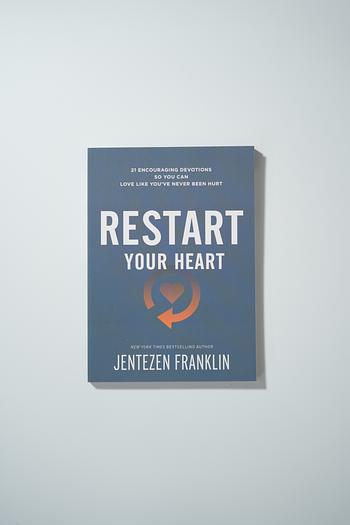
In his powerful message, Sanitize Your Spirit, Pastor Jentezen Franklin draws parallels between our modern obsession with outward hygiene and our internal spiritual neglect. He notes that while the world spent millions to remind us to wash our hands, we have forgotten to cleanse our hearts. True spiritual renewal isn't about "polishing" the surface to look better for a social media feed; it’s about the grueling, honest process of repentance.
Repentance is the spiritual equivalent of pulling up the floorboards of hypocrisy to find the hidden bitterness, pride, or dishonesty that lingers in private. It is an intentional turning away from the "whitewash" and a turning toward the light of truth. As Pastor Franklin challenges, we cannot handle holy things with unclean hands. If the source is poisoned at the mountain’s head, the entire river, every plant it waters, and every creature that drinks from it, becomes toxic.
The Internal Scrub: How We Clean Our Spirit
Cleaning the spirit is not a matter of meticulous self-improvement or religious striving; it is a profound internal realignment with the Creator. It begins with the posture of a teachable heart, as David modeled when he prayed, "Search me, O God, and know my heart; test me and know my anxious thoughts" (Psalm 139:23). This "divine inventory" requires the courage to invite God into the dark, unpolished rooms of our lives.
True sanitation occurs through repentance, which is more than an apology; it is a decisive "metanoia," a change of mind that turns the feet in a completely different direction. We do not scrub the inside of the cup by sheer willpower, but by a willingness to change that flows from our love for Him.
As Jesus taught, "If you love me, keep my commands" (John 14:15). This life of sanctification is not about achieving perfection for a public audience; it is about an intimate, private devotion that naturally overflows into how we treat others. A spirit that has been truly washed by Grace deals gracefully with others, trading bitterness for the "gentle and quiet spirit" that Peter describes as being of great worth in God’s sight (1 Peter 3:4). To clean the spirit is to stop managing the "sparkling casket" and start following the Shepherd with an undivided heart.
The Heart Behind the Whisper
How does one begin to scrub the inside of the cup? It starts with the smallest, most honest movements toward the Creator. It is the understanding that what people value highly is often a shadow, but what God sees is the substance. When the pretense is dropped, and the "short prayer" of a broken spirit is offered, the real cleaning begins.
In his book, The Power of Short Prayers, Jentezen Franklin explores how these moments of raw, internal connection with God can shift the trajectory of a life. It isn’t about the length of the oration or the audience watching; it is about the integrity of the heart behind the whisper.
This season, don't just throw open the windows of your home. Open the doors of your heart. Stop polishing the marble and start tending to the soul. After all, a clean house is temporary, but a clean heart is eternal.
Share