
The Sacred Language of Tears
The rain was lashing against the windowpane, blurring the world outside into a soft, grey smear. Inside the quiet living room, a single person sat in the dim light, clutching a cold cup of coffee. There was no big announcement of tragedy, no public display of grief, just the heavy, suffocating weight of a private sorrow that felt too large to carry alone. With throat tightening and the eyes growing hot, a single tear escaped, tracing a slow path down a cheek before falling onto the worn fabric of a sweater. In that moment, the silence felt deafening. It felt as though the ache in the chest was invisible to everyone else, and perhaps, entirely unnoticed by heaven itself. But it is in these quiet, desperate moments that we discover something profound about the heart of God.
King Hezekiah knew this feeling all too well. Faced with a devastating illness and the looming shadow of death, he turned his face to the wall and prayed. His prayer, found in Isaiah 38:2-3, was simple and brief, totaling only twenty-eight words. He did not offer a grand, eloquent speech. He simply reminded the Lord of his faithfulness and poured out his raw, unfiltered distress. What makes this moment so remarkable is not just the words he spoke, but the response he received. God did not simply hear the vibration of his voice. He saw every tear. Those drops of sorrow were not wasted or forgotten. They moved the heart of the Almighty.
This realization transforms our understanding of pain. When sadness feels heavy, it is easy to assume that we must put on a brave face or hide our tears from a holy God. Yet, scripture tells a different story. In Psalm 56:8, David asks God to store his tears in a bottle and record them in His book. This paints a beautiful, intimate picture of a Father who values our grief so deeply that He preserves the evidence of it. Our sadness, when brought into the light of His presence, is not a sign of failure or a lack of faith. It is sacred. It is an act of trust to bring our brokenness to the One who understands every ache.
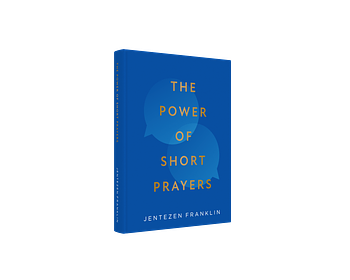
As noted in the book, The Power of Short Prayers, there is a profound truth in these moments of vulnerability: "What made the prayer so remarkable was God not only heard the words, He saw every tear. The tears moved the heart of the Almighty." This is the reality we live in every day. Your tears are not falling into a void. They are falling into the hands of a God who collects them, keeps them, and is moved by your struggle.
Finding Strength in the Middle of the Mess
So, what does this look like when the pressure of life feels overwhelming? It means that you do not have to wait for your circumstances to change before you can be honest with your Creator. You do not need to compose a perfect, poetic prayer to get His attention. Whether you are dealing with a broken relationship, a financial burden, or a quiet, gnawing sense of loneliness, you have permission to stop pretending.
When the weight feels too heavy, find a quiet place to sit. Take a deep breath and simply tell God exactly how you feel. You do not need to use special words. You can be as brief as Hezekiah. Bringing your sadness to the Lord is a way of saying that you trust Him with the deepest parts of your heart. It turns your private pain into a sacred conversation. Even when you are too tired to speak, remember that your tears themselves are a prayer.
Take a moment to write down one thing you have been trying to carry on your own. Then, physically place that paper in a spot where you can see it today, and whisper a simple sentence of surrender to God, acknowledging that He sees both your situation and your tears.
Share