
The Power of We
Every October, the world pauses to observe United Nations Day. Founded in 1945 after the devastation of World War II, the UN was built on a simple premise: peace and progress require cooperation. No single country can tackle global challenges alone.
It is a great global idea. But what if real change starts much closer to home?
What if lasting transformation begins the moment we stop asking, “What’s best for me?” and start asking, “What’s best for we?”
We live in a self-centered culture where minor differences can quickly become major walls. We get so busy defending our positions that we forget the person on the other side is still worthy of dignity, compassion, and respect.
We can share a home and remain strangers, attend the same church and never serve together, or walk past a struggling neighbor without a second thought.
Psalm 133:1 puts it plainly:
“Behold, how good and how pleasant it is for brethren to dwell together in unity!”
Unity is not just agreeing when life is easy. It is an intentional choice to live with humility, forgiveness, and genuine concern for others. The enemy knows that division weakens us. But Scripture offers a beautiful promise: Psalm 133:3 declares that where God's people dwell together in unity, “there the Lord commanded the blessing.”
Selfishness makes us the hero of every story. It asks what benefits us, protects our status, and keeps us comfortable.
The Power of We turns that upside down.
In Joshua 24:15, Joshua declared:
“But as for me and my house, we will serve the Lord.”
His decision was personal, but its reach was collective. He set a clear direction for his entire household.
Imagine applying that same mindset to our daily lives. What happens when a business trades internal rivalry for teamwork? What happens when family members stop keeping score and start looking for ways to help?
When your success is no longer a threat to me, my gifts become a blessing to you. Together, we can accomplish what none of us could manage alone.
When we forgive, serve, and care for others across our differences, we put the love of Christ on display. But when pride, jealousy, and bitterness lead the way, we obscure the very love we are called to show.
You cannot fix every global conflict today. But you can control the spirit you bring into a room.
Unity does not mean agreeing on every detail. It means choosing mutual respect and shared purpose over the need to put ourselves first.
Just as United Nations Day reminds us that nations must cooperate to address global challenges, we are called to bring that same spirit of consideration and responsibility into our daily lives. We may not hold diplomatic titles or sign international peace treaties, but we shape the atmosphere of our homes, workplaces, churches, and neighborhoods every day.
When we move beyond self-centeredness and begin living for something greater than ourselves, we create room for stronger relationships, meaningful change, and the blessings that come from living according to God's principles.
This United Nations Day, ask yourself: Where can I replace “me” with “we”?
It might begin with a conversation, an act of forgiveness, a willingness to serve, or a decision to stand beside someone who needs support.
Because the world does not change through good intentions alone. It changes when people choose to live them out.
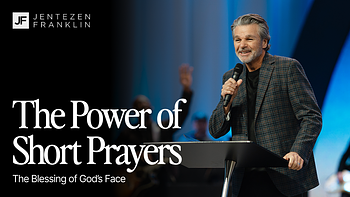
To explore this message more deeply, watch this broadcast, The Power of We
Share